
 Essential Oil
 Carrier or vegtetable oil
 Plant straight powder
 Ratio extracts
 Standardized plant extracts



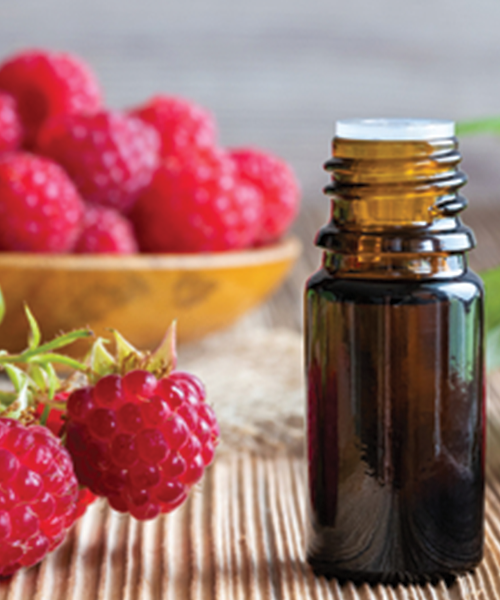

| Commercial name | Raspberry |
| Botanical name | Rubus idaeus |
| Botanical family | Rosaceae |
| CAS # | 84929-76-0 |
| EINECS # | 284-554-0 |
| Plant part | Seed |
Raspberry Seed Oil
The raspberry ketone is a natural phenolic compound that is the primary aroma compound of red raspberries. It is used in perfumery, in cosmetics and as a food additive to impart a fruity odor. It is one of the more expensive natural flavors used in the food industry.

IDENTFICATION DATA
PROPERTIES
- Weightloss
- Cholesterol control and blood pressure
- A natural antioxidant
- Helps relieve inflammation
APPLICATION
- Cosmetics: skin care, etc.
- Perfumery
- Food additive
- Dietary supplement
- Medicinal
Related products


Baobab oil
The Baobab is therefore a tree native to Tropical Africa. In Africa, all parts of the baobab are exploited for their therapeutic and nutritional virtues: roots, leaves, trunk, bark, pulp, seeds. It is also integrated into the development of traditional African remedies.
The pulp of the fruit called "monkey bread" has a tangy taste similar to our raisins or lemon.
The pulp can be consumed as a refreshing and energy drink by mixing it in water and / or condensed milk, a mixture called "Bouye" in Senegal.


Argan Oil
Argan oil is extracted from the fruit's kernel of the argan tree (Argania spinosa). Nicknamed the "the tree of life," this wild, thorny tree grows exclusively in southwestern Morocco. It can grow as high as eight to ten meters and can live up to two hundred years.
Argan oil, due to its high content of vitamin E, is ideal to fight against dryness and skin ageing process. It is perfect also to strengthen the nails thanks to the presence of unsaponifiables.
Very trendy oil in cosmetic products, many laboratories are using this oil for nail and hair cares, but also for creams and lotions. The oil, even expensive, is also used by of soaps manufacturers.
A Argan tree gives 180kg of fruits a year. It takes 30kg of Argan fruits to get 2 kg of Argan kernel which is the minimum quantity of kernel to get 1kg of Argan oil (when the yield can reach 50%).

Pumpkin Seed Oil
The pumpkin grows as a large, annual creeper. The stems, thick and non-lignified, elongate rapidly in one season, sometimes over 5 m, with some branching. The leaves are alternate, carried by a long upright petiole. They deploy a large palmate blade, almost rounded, presenting 3 important veins. The rod crawls or sometimes climbs on a support. The plant is covered with fine transparent hairs, unpleasant to the touch.
The flowers appear in summer, male flowers first, then female flower next, recognizable by its inferior ovary, a small ball under the flower. The stems should be long and branched to produce several female flowers.
The fruits are massive and rounded, capable of weighing more than 15 kg. The pumpkin is yellow as it grows, then turns orange as it ripens. It contains large, flat seeds, rich in nutrients


Green coffee bean oil
Coffee plants are native to the tropical regions of South America, Asia and Africa. The plant is a small shrub that typically reaches 3-4 meters in height. The seeds of the coffee plant are commonly referred to as beans. Roasting coffee beans changes the chemical and aromatic composition of the beans.
Green Coffee Oil is rich in phytosterols that promote excellent moisture retention, quick penetration and good adherence within cosmetic applications. It is also exceptionally high in its composition of essential fatty acids.


Tucuma Oil
The tucumã kernel oil is very similar in appearance, consistency and properties to the the palm kernel oil. It is ideal for cooking. Due to their low level of free acids the refining process becomes much simpler compared to the palm oil. The high concentration of lauric acid (47%) detected in the tucumã kernel oil qualifies it with excellent properties for soap processing. Rich in omega 3, 6 and 9, it is an excellent moisturizer, used in cosmetics for skin hydration, body lotions and hair care products for damaged hair. It is also an excellent emollient with high spreadability. This oils is rich in beta-carotene being ideal for sun related skin care.
The fruit oil is highly nutritious containing one of the highest concentrations of β-carotene (180 to 330 mg/100 g of oil), only equaling the value of buriti pulp (Mauritia flexuosa). This exceptional high natural concentration of β-carotene, known as one of the most powerful natural antioxidants, forms a protective film and enhances the brilliance and vitality of dry and brittle hair. Contains high levels of vitamins A and C, in addition to the anti-oxidant properties, the topical application of these vitamins can improve the elasticity and firmness of the skin.


Pomegranate Seed Oil
Pomegranate is an antioxidant, prized for its virtues against cholesterol, cardiovascular risks as well as prostate adenoma and its cancer complications. It is also rich in iron, potassium, copper, vitamins B5, B6, B9 and C. Its therapeutic properties are multiple since the flowers are astringent, especially useful in case of diarrhea or hemorrhage, while the bark is deworming but prohibited for sale because of its poor tolerance.


Perilla Oil
Perilla is usually consumed directly in everyday life. The leaves are green (purple coloured if still young age) is used as a complement in salads, this leaves well-known in the culture barbeque in Korea. The seeds can be extracted an oil which is rich in benefits.
Perilla seed oil contains high levels of omega 3 fatty acids that are known to have antiseptic activity and to be effective against the bacteria responsible for acne. capacity is also attributed to this oil to suppress chronic inflammation and itching. Perilla seed oil is particularly suitable for use in a mixture, in facial massage oil, lotion, cream and as part of the scrub salt formulations.


Brazil Nut Oil
The Brazil nut is, in fact, a seed rather than a nut, but popular usage continues to prevail. Nutritionally, Brazil nuts are an excellent source of selenium and a good source of magnesium and thiamine. There are 14% protein, 11% carbohydrates, and 67% fat (1). The fat breakdown is roughly 25% saturated, 41% monounsaturated, and 34% polyunsaturated. The absolute saturated fat content of Brazil nuts is among the highest of all nuts, surpassing even macadamia nuts.
The proteins found in Brazil nuts are very high in sulfur-containing amino acids like cysteine (8%) and methionine (18%) and are also extremely rich in glutamine, glutamic acid, and arginine. The presence of these amino acids enhances the absorption of selenium and other minerals in the nut.
As with most nuts, the Brazil nut is rich in oils, variously reported at 65-70% of seed dry weight. Brazil nut oil is clear yellowish oil, which has a pleasant and sweet smell and taste.
Its texture and aroma gives it great versatility for use in a wide array of innovative personal care products. Brazil Nut Oil's high selenium content offers strong antioxidant properties. When used in personal care products, Brazil Oil hydrates and softens the skin.
Today, Brazil nut oil is used in soaps, shampoos and hair conditioning/repair products. As a hair conditioner it brings shine, silkiness, malleability and softness to hair. It helps renew dry, lifeless hair and split-ends and allows hair to remain soft and silky. It provides stabilising detergent properties and helps clean the hair.