
 Essential Oil
 Carrier or vegtetable oil
 Plant straight powder
 Ratio extracts
 Standardized plant extracts



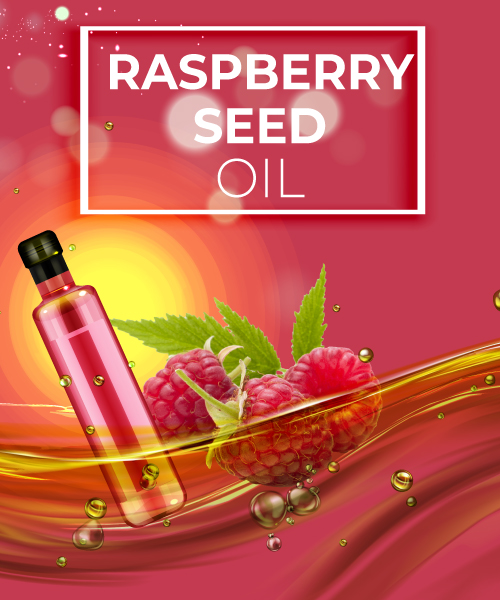
Commercial name Pumpkin
Botanical name Cucurbita
Botanical family Cucurbitaceae
CAS # 8016-49-7
EINECS # 289-741-0
Plant part Seed
Origin United States
Pumpkin Seed Oil
The pumpkin grows as a large, annual creeper. The stems, thick and non-lignified, elongate rapidly in one season, sometimes over 5 m, with some branching. The leaves are alternate, carried by a long upright petiole. They deploy a large palmate blade, almost rounded, presenting 3 important veins. The rod crawls or sometimes climbs on a support. The plant is covered with fine transparent hairs, unpleasant to the touch.
The flowers appear in summer, male flowers first, then female flower next, recognizable by its inferior ovary, a small ball under the flower. The stems should be long and branched to produce several female flowers.
The fruits are massive and rounded, capable of weighing more than 15 kg. The pumpkin is yellow as it grows, then turns orange as it ripens. It contains large, flat seeds, rich in nutrients
IDENTFICATION DATA
Related products


Baobab oil
The Baobab is therefore a tree native to Tropical Africa. In Africa, all parts of the baobab are exploited for their therapeutic and nutritional virtues: roots, leaves, trunk, bark, pulp, seeds. It is also integrated into the development of traditional African remedies.
The pulp of the fruit called "monkey bread" has a tangy taste similar to our raisins or lemon.
The pulp can be consumed as a refreshing and energy drink by mixing it in water and / or condensed milk, a mixture called "Bouye" in Senegal.


Sea Buckthorn Oil
Sea buckthorn oil has been used for thousands of years as a natural remedy for various ailments.
It is extracted from the berries, leaves, and seeds of the sea buckthorn plant (Hippophae rhamnoides), which is a small shrub that grows at high elevations in the northwestern Himalayan region (Trusted Source).
Sometimes called the sacred fruit of the Himalayas, sea buckthorn can be applied to the skin or ingested.
A popular remedy in Ayurvedic and traditional Chinese medicines, it can offer health benefits ranging from supporting your heart to protection against diabetes, stomach ulcers, and skin damage.


Camellia Oil
Historically, camellia oil is the main cooking oil used in the southern provinces of China. Camellia oil was found to reduce bad cholesterol. This is a high quality culinary oil that remains stable at high temperatures while providing the same nutritional and culinary properties of olive oil. On a dermatological level is a penetrating oil, making it an oil of choice for products and cosmetic formulations.


Argan Oil
Argan oil is extracted from the fruit's kernel of the argan tree (Argania spinosa). Nicknamed the "the tree of life," this wild, thorny tree grows exclusively in southwestern Morocco. It can grow as high as eight to ten meters and can live up to two hundred years.
Argan oil, due to its high content of vitamin E, is ideal to fight against dryness and skin ageing process. It is perfect also to strengthen the nails thanks to the presence of unsaponifiables.
Very trendy oil in cosmetic products, many laboratories are using this oil for nail and hair cares, but also for creams and lotions. The oil, even expensive, is also used by of soaps manufacturers.
A Argan tree gives 180kg of fruits a year. It takes 30kg of Argan fruits to get 2 kg of Argan kernel which is the minimum quantity of kernel to get 1kg of Argan oil (when the yield can reach 50%).

Chia seed oil
Chia seed oil is cold-pressed extracted from the chia seeds commonly referred to as a superfood.
Chia seed oil is an especially great option for vegetarians and vegans to obtain omega-3 fatty acids from a botanical source. It is a popular supplement due to its high level of alpha-Linolenic acid (ALA) which cannot be produced by the body, but must be obtained through the diet alone. Chia seed oil is also used in the food industry as a cooking oil and as a popular ingredient in various salad dressings. In the cosmetic industry chia seed oil is used in body creams and lotions used topically to treat dry skin and promote healthier hair.
The seeds yield 25–30% extractable oil


Tamanu Oil
The tamanu tree is indigenous to tropical Southeast Asia; it is found in Thailand, Vietnam, Myanmar, Malaysia, South India, Sri Lanka, and the Melanesian and Polynesian islands. It grows up to three meters tall, sporting cracked, black bark and elliptical, shiny leaves. The tamanu tree blooms twice annually with fragrant, white flowers, which later yield clusters of yellow-skinned spherical fruit. The fruit's pulp tastes similar to an apple, within which a large nut is embedded. The nut contains an odorless pale kernel. This kernel is dried in the sun until it becomes sticky with a dark, thick, rich oil; it must be protected from humidity and rain during drying.
This sticky oil is cold-pressed to make a greenish oil. Polynesian Natives believed the tamanu tree was a sacred gift of nature. It was an answer to skin protection from hot sun, high humidity and ocean wind.
It is reputed to have wondrous wound-healing properties, as well as being a cure-all for almost every skin ailment you can think of, from acne to eczema to psoriasis, but all of the miraculous claims are hinged on anecdotal, not scientific, evidence. There’s no harm in using this oil in skin care.
Based on those traditional uses, tamanu oil has been thoroughly researched, and the conclusive evidence on its ability to heal damaged skin is overwhelming. Its benefits are notable for scarring, stretch marks, minor cuts and abrasions, rashes, sores, and much more. It can be used directly on the skin or mixed within formulations. Stores well under any condition but extreme heat will lessen the shelf life.
Tamanu oil has a rich, deep scent with a bold dark colour and because of this it may alter the colour and aroma of cosmetic creations. Tamanu oil may naturally separate or solidify at cold temperatures.


Tucuma Oil
The tucumã kernel oil is very similar in appearance, consistency and properties to the the palm kernel oil. It is ideal for cooking. Due to their low level of free acids the refining process becomes much simpler compared to the palm oil. The high concentration of lauric acid (47%) detected in the tucumã kernel oil qualifies it with excellent properties for soap processing. Rich in omega 3, 6 and 9, it is an excellent moisturizer, used in cosmetics for skin hydration, body lotions and hair care products for damaged hair. It is also an excellent emollient with high spreadability. This oils is rich in beta-carotene being ideal for sun related skin care.
The fruit oil is highly nutritious containing one of the highest concentrations of β-carotene (180 to 330 mg/100 g of oil), only equaling the value of buriti pulp (Mauritia flexuosa). This exceptional high natural concentration of β-carotene, known as one of the most powerful natural antioxidants, forms a protective film and enhances the brilliance and vitality of dry and brittle hair. Contains high levels of vitamins A and C, in addition to the anti-oxidant properties, the topical application of these vitamins can improve the elasticity and firmness of the skin.

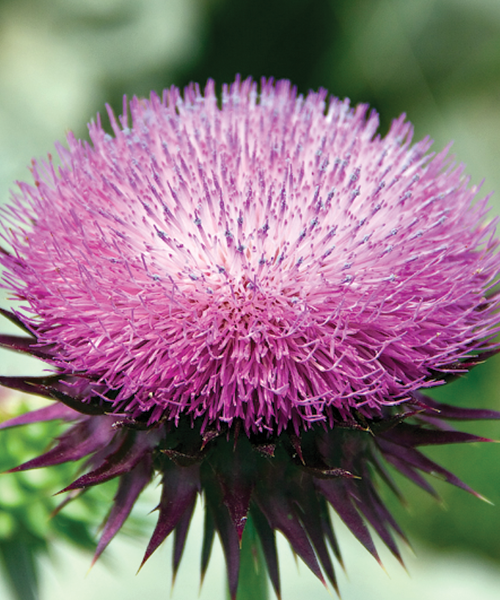
Milk Thistle Oil
The silymarin is substance in the seeds. It protects the liver against the action usually very harmful for certain products. Clinical trials have demonstrated that one could prevent severe liver poisoning due to the ingestion of carbon tetrachloride or poisonous mushrooms, taking the sylimarme just before or within 48 hours. In Germany, silymarin is used successfully to treat hepatitis and liver cirrhosis.

Silybine chemical structure