
 Essential Oil
 Carrier or vegtetable oil
 Plant straight powder
 Ratio extracts
 Standardized plant extracts



| Commercial name | Perilla |
| Botanical name | Perilla ocymoides |
| Botanical family | Lamiaceae |
| CAS # | 68132-21-8 |
| EINECS # | N/A |
| Plant part | Seed |
| Origin | China, India |
| Manufacturing place | China |
Perilla Oil
Perilla is usually consumed directly in everyday life. The leaves are green (purple coloured if still young age) is used as a complement in salads, this leaves well-known in the culture barbeque in Korea. The seeds can be extracted an oil which is rich in benefits.
Perilla seed oil contains high levels of omega 3 fatty acids that are known to have antiseptic activity and to be effective against the bacteria responsible for acne. capacity is also attributed to this oil to suppress chronic inflammation and itching. Perilla seed oil is particularly suitable for use in a mixture, in facial massage oil, lotion, cream and as part of the scrub salt formulations.
IDENTFICATION DATA
Related products
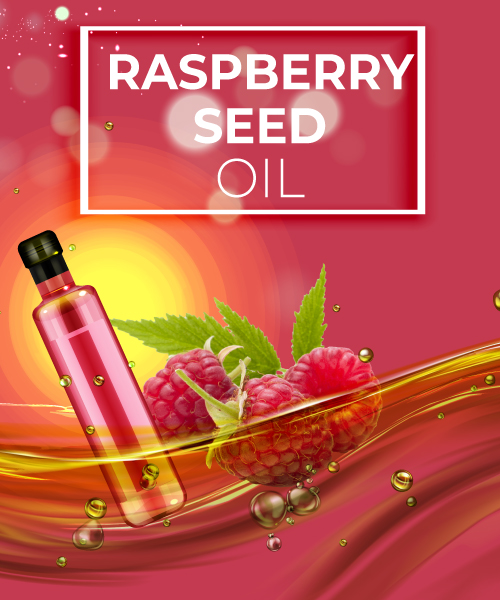


Argan Oil
Argan oil is extracted from the fruit's kernel of the argan tree (Argania spinosa). Nicknamed the "the tree of life," this wild, thorny tree grows exclusively in southwestern Morocco. It can grow as high as eight to ten meters and can live up to two hundred years.
Argan oil, due to its high content of vitamin E, is ideal to fight against dryness and skin ageing process. It is perfect also to strengthen the nails thanks to the presence of unsaponifiables.
Very trendy oil in cosmetic products, many laboratories are using this oil for nail and hair cares, but also for creams and lotions. The oil, even expensive, is also used by of soaps manufacturers.
A Argan tree gives 180kg of fruits a year. It takes 30kg of Argan fruits to get 2 kg of Argan kernel which is the minimum quantity of kernel to get 1kg of Argan oil (when the yield can reach 50%).

Pumpkin Seed Oil
The pumpkin grows as a large, annual creeper. The stems, thick and non-lignified, elongate rapidly in one season, sometimes over 5 m, with some branching. The leaves are alternate, carried by a long upright petiole. They deploy a large palmate blade, almost rounded, presenting 3 important veins. The rod crawls or sometimes climbs on a support. The plant is covered with fine transparent hairs, unpleasant to the touch.
The flowers appear in summer, male flowers first, then female flower next, recognizable by its inferior ovary, a small ball under the flower. The stems should be long and branched to produce several female flowers.
The fruits are massive and rounded, capable of weighing more than 15 kg. The pumpkin is yellow as it grows, then turns orange as it ripens. It contains large, flat seeds, rich in nutrients


Plum Kernel Oil
L'huile de prune est un ingrédient soluble dans l'huile qui peut être utilisé dans tout produit anhydre ou dans la phase huileuse d'un produit émulsionné. Il a un merveilleux arôme naturel avec des notes d'amandes et de fruits, qui peuvent apparaître dans le produit final en fonction du niveau de concentration. C'est un produit biodégradable et sans OGM.


Pomegranate Seed Oil
Pomegranate is an antioxidant, prized for its virtues against cholesterol, cardiovascular risks as well as prostate adenoma and its cancer complications. It is also rich in iron, potassium, copper, vitamins B5, B6, B9 and C. Its therapeutic properties are multiple since the flowers are astringent, especially useful in case of diarrhea or hemorrhage, while the bark is deworming but prohibited for sale because of its poor tolerance.


Green coffee bean oil
Coffee plants are native to the tropical regions of South America, Asia and Africa. The plant is a small shrub that typically reaches 3-4 meters in height. The seeds of the coffee plant are commonly referred to as beans. Roasting coffee beans changes the chemical and aromatic composition of the beans.
Green Coffee Oil is rich in phytosterols that promote excellent moisture retention, quick penetration and good adherence within cosmetic applications. It is also exceptionally high in its composition of essential fatty acids.


Passion Fruit Seed Oil
The Brazil nut is, in fact, a seed rather than a nut, but popular usage continues to prevail. Nutritionally, Brazil nuts are an excellent source of selenium and a good source of magnesium and thiamine. There are 14% protein, 11% carbohydrates, and 67% fat (1). The fat breakdown is roughly 25% saturated, 41% monounsaturated, and 34% polyunsaturated. The absolute saturated fat content of Brazil nuts is among the highest of all nuts, surpassing even macadamia nuts.
The proteins found in Brazil nuts are very high in sulfur-containing amino acids like cysteine (8%) and methionine (18%) and are also extremely rich in glutamine, glutamic acid, and arginine. The presence of these amino acids enhances the absorption of selenium and other minerals in the nut.


Sea Buckthorn Oil
Sea buckthorn oil has been used for thousands of years as a natural remedy for various ailments.
It is extracted from the berries, leaves, and seeds of the sea buckthorn plant (Hippophae rhamnoides), which is a small shrub that grows at high elevations in the northwestern Himalayan region (Trusted Source).
Sometimes called the sacred fruit of the Himalayas, sea buckthorn can be applied to the skin or ingested.
A popular remedy in Ayurvedic and traditional Chinese medicines, it can offer health benefits ranging from supporting your heart to protection against diabetes, stomach ulcers, and skin damage.