
 Essential Oil
 Carrier or vegtetable oil
 Plant straight powder
 Ratio extracts
 Standardized plant extracts



| Commercial name | Terminalia |
| Botanical name | Terminalia chebula |
| Botanical family | Combretaceae |
| CAS # | 90131-48-9 |
| EINECS # | 290-359-1 |
| Plant part | Fruit |
| Origin | India, China, Sri Lanka |
| Manufacturing place | China |
Terminalia extracts
It is an Ayurvedic herb generally used in powder form. It is very suitable as a hair mask to strengthen the hair, tone it, revitalize it, cleanse it and hydrate it. Harad (also called haritaki) is astringent and antibacterial, which means it has cleansing and anti-blemish properties. Traditionally, in India, this Ayurvedic powder is used to wash the hair, bring suppleness and shine, get rid of dandruff or as a mask to replace conventional conditioners. It was sometimes used in the formulation of oils (dried plant macerated in vegetable oil) that people used to guard against small scalp infections, such as dandruff, but also to promote healthy hair growth. and strong. Today, it is part of the composition of certain quality vegetable colorings, combining henna and plants with the objective of care (purify the scalp, bring shine and softness, have a detangling effect, smooth, sculpt curls and curly locks, make the dye last longer, cover white hair …).
IDENTFICATION DATA
Related products

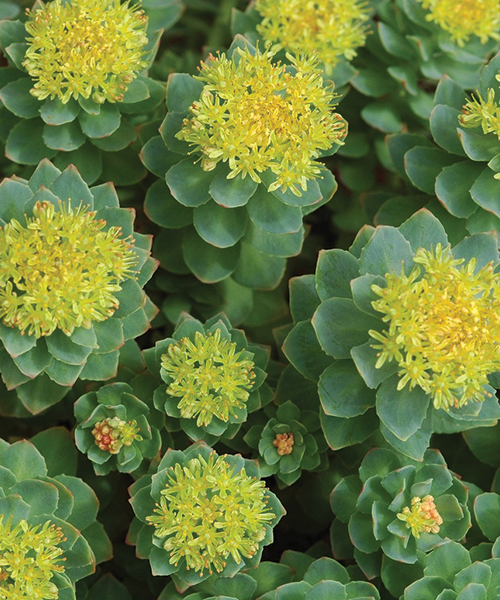
Rhodiola rosea Extracts
It was included in the first Swedish Pharmacopoeia (1755). Vikings used the herb to enhance their physical strength and endurance.
Traditional folk medicine used R. rosea to increase physical endurance, work productivity, longevity, resistance to high altitude sickness, and to treat fatigue, depression, anemia, impotence, gastrointestinal ailments, infections, and nervous system disorders.


Cinnamyl alcohol glycoside responsible for the antidepressant and anxiolytic actions of this plant, along with salidroside

The anatomy of golden root


Astragalus extracts
Astragalus from China * has been the most studied for its medicinal effects. This plant is used in a traditional way, but also in a modern medical setting.
Data from Chinese clinical trials indicate that, despite the methodological weaknesses noted, oral astragalus extracts may reduce nausea, vomiting, and leukopenia (immune failure) associated with cancer chemotherapy, while increasing cancer chemotherapy. effectiveness of the latter.


Nopal extract
The nopal or barbarian fig (Opuntia ficus indica), is a widely distributed cactus but mostly founds in Mexico and Mediterranean area. It produces edible fruits with many seed from which we extract oil (see our prickly pear seed oil here) from which we can also produce jams. In numerous dietary supplements, the Nopal pulp is used claiming a positive effect on the blood sugar regulation.
Lastly, the extracts obtained from the cladode (which include the pulp) are used as a fat-absorbed in order to manage the weight.


Bitter melon extracts
Le melon amer est riche en nutriments, il contient des protéines, du sucre, du phosphore, du calcium, du fer, du potassium, du carotène, de la thiamine, des vitamines, des fibres alimentaires, des acides aminés, etc.
Ces dernières années, il a été découvert que le melon amer peut non seulement aider à réduire l'activité de la glycémie, mais aussi favoriser l'immunité. Dans l'industrie alimentaire, il est principalement utilisé pour les boissons fonctionnelles et l'agent anti-rassissement naturel.


Velvet bean extract
Velvet bean is a tropical legume that is traditionally used in Asia for controlling blood pressure (Chaudhary et al.,2015). In ancient Indian medicine, the plant has been used for a plethora of diseases and ailments, including the following: It has been used for the management of male infertility, nervous disorders, and as an aphrodisiac. The seeds have medicinal properties and have been used in the major traditional medical systems of India for many centuries. The seeds are rich in the compound known as L-DOPA, which is found principally in the seeds, but also in the pods, leaves, and roots. The plant’s leaf extracts and seeds show promise for the treatment of Parkinson’s disease, male infertility, and nervous disorders, mainly due to their antioxidant (free radical scavenging) effects. Parts of the plant may also serve as aphrodisiacs. Velvet bean is a tropical legume that is traditionally used in Asia for controlling blood pressure (Chaudhary et al.,2015). In ancient Indian medicine, the plant has been used for a plethora of diseases and ailments, including the following: It has been used for the management of male infertility, nervous disorders, and as an aphrodisiac. The seeds have medicinal properties and have been used in the major traditional medical systems of India (Ayurveda, Siddha, and Unani-Tibb) for many centuries. The seeds are rich in the compound known as L-DOPA, which is found principally in the seeds, but also in the pods, leaves, and roots. The plant’s leaf extracts and seeds show promise for the treatment of Parkinson’s disease, male infertility, and nervous disorders, mainly due to their antioxidant (free radical scavenging) effects. Parts of the plant may also serve as aphrodisiacs.


Cistanche extract
Cistanche tubulosa is a parasitic plant resembling an asparagus. Its stem is fixed by a sucker on the root of the host plant, the tamarix. It feeds by absorbing nutrients from the plant it parasitizes. Its stems are full and thick, cylindrical, without chlorophyll. The leaves are reduced to brownish scales. In China, Cistanche tubulosa is known as a rare ginseng found in the desert and is used to treat Alzheimer's disease. In Japan, it was classified as a food in 2005. According to the Chinese Pharmaceutical Dictionary, Cistanche tubulosa strengthens kidney function, increases sexual potency and calms the intestine.


Boswellia serrata Extract
En ayurvéda, cette pante est appréciée pour soigner les maux des corps fatigués et inflammés. Boswellia is used as a safe support for healthy joint and muscle functions. Regular use can help reduce inflammation-related pain (Gum Resin) such as joint, muscle, nerve pain, etc. It helps soothe the joints and helps promote neuromuscular well-being, and helps reduce symptoms related to stress. Healthy joint and muscle functions Help reduce pain Supports neuromuscular functions


Epilobe extracts
Epilobium angustifolium is known by various names, the best known of which are willow herb, wickup, and rose-bay. Commonly found across Asia, Central and Eastern Europe, willow herb is an attractive perennial that reaches one meter in height. Its small flowers bear four petals and please with their purple or pale pink colours. The fruits take the form of slender red capsules, while the tiny black seeds are encased in a fluffy fibber that facilitates their dispersal by the wind. Both the aerial (above ground) parts and the root of this botanical bear its medicinal treasures.
Its solid reputation for addressing problems of the prostate gland and urinary tract having been built up throughout many centuries. Willow herb has also earned additional praises. In Germany physicians will often advise that their patients suffering from benign prostate hyperplasia (BPH), or enlarged prostate, drink a tea brewed with willow herb. The swelling is quick to diminish, while toxins and bacteria in this tiny gland are effectively removed. Willow herb also is supposed to slow the growth of tumours in men who are challenged with prostate cancer. This green medicine shares several of the same important constituents for addressing the symptoms of BPH that make the more popular saw palmetto berry a proven herbal superstar. Possessing anti-inflammatory abilities, willow herb addresses both the pain and the infection of the urinary tract suffered by both men and women.